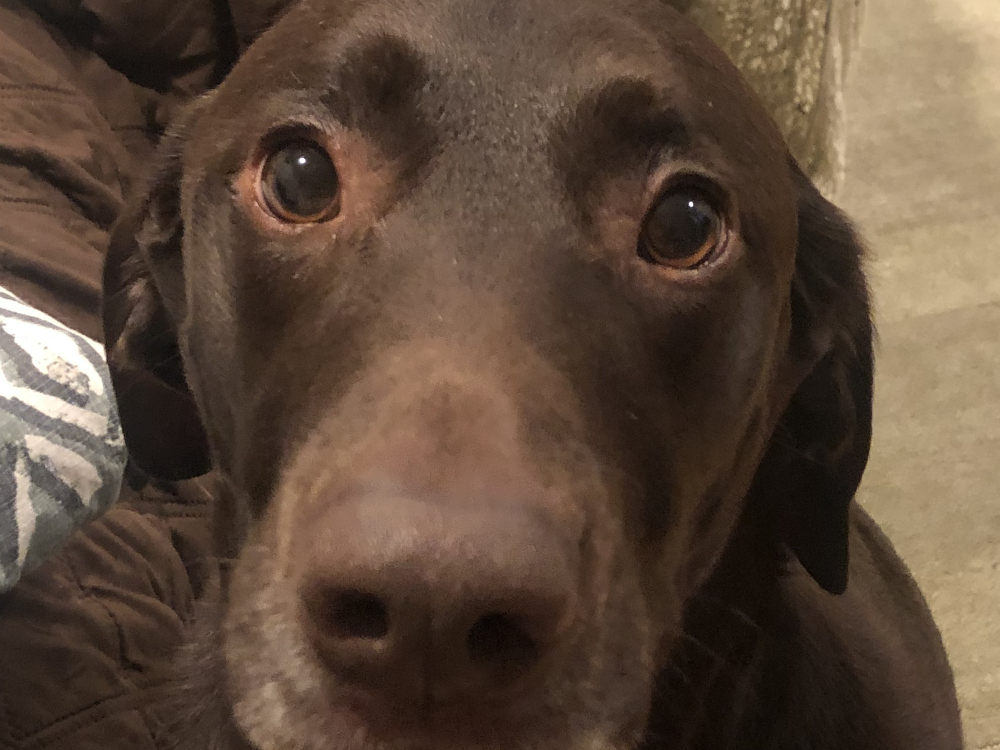
Calming the Fear: How Sedation and Anti-Anxiety Medication Can Help Your Pet
Pets feel anxiety, just like we do. And while a trip to the veterinarian might seem routine to us, for many dogs and cats it can feel overwhelming. The good news? There are gentle, safe ways to help your pet feel calmer during stressful moments. One of the most helpful tools we have is something called pre-visit pharmaceuticals. These are oral medications given at home before an appointment. They take the edge off your pet’s anxiety so the whole experience becomes easier, calmer, and far less frightening.
How Pets Show Their Fear #
Anxiety doesn’t always look the same from one animal to the next. Knowing the signs can help you understand what your pet may be feeling.
Dogs
A nervous dog is often wound up and unable to settle. You might notice heavy panting, pacing, or whining. Some dogs go on high alert the moment they walk through the clinic doors. They may try to bolt away from us, squirm constantly, or even growl or snap out of fear.
When a dog is this scared, it becomes genuinely difficult to perform a thorough exam. And here’s the part many owners don’t realize: the more we have to chase, restrain, or hold down a frightened dog, the more terrified that dog becomes. That fear can stick with them. The next visit often ends up worse than the last.
Cats
Cats tend to express anxiety differently. Some become fractious, meaning they fight back so intensely that handling them safely is a real challenge. Others go quiet and still, with eyes wide as saucers, frozen in place and clearly overwhelmed.
For cats, the stress often begins long before they reach us. Getting into the carrier, riding in the car, then sitting in a waiting room with barking dogs can be deeply unsettling. By the time they arrive, many cats are already running on pure fear.
Why Anxiety Makes Each Visit Harder #
When a pet is frightened, every part of the appointment becomes more difficult. We may not be able to get a clear read on their health, and the experience can leave a lasting negative impression. That’s the cycle we want to break. A calmer visit usually means your pet doesn’t remember it as something terrible. Over time, that can make future appointments noticeably easier.
How Oral Sedatives Help #
A common worry we hear is, “I don’t want my pet drugged.” A well-chosen oral sedative simply helps your pet relax. They can still walk and interact with the people around them. They’re just calmer and less consumed by fear. With that anxiety lowered, the exam tends to go more smoothly for everyone.
Many dogs respond beautifully to oral medication alone. The same is true for many cats, and an added benefit is that a calmer cat is often easier and safer to get into the carrier in the first place. That can mean fewer scratches on your arms, too.
We sometimes hear from pet parents who chose not to give a recommended medication because their pet seemed sleepy on it, or because they preferred to avoid medication altogether. It is important to realize that skipping help for a truly frightened pet can unintentionally make their fear worse over time.
When Injectable Sedation May Be Needed #
Some pets remain too anxious or too difficult to handle even with oral medication. In those cases, we may recommend injectable sedation to keep everyone safe and comfortable. This is something we’ll discuss with you openly, especially if we know your pet will need lab work or extensive handling.
A Safety Measure for Our Team, Too #
Caring for animals is what we love, and our team is devoted to it. But safety matters. Even a single serious bite can end a veterinary professional’s career. Helping anxious pets stay calm protects our staff while also allowing us to provide better, gentler care. It’s a win for everyone involved, especially your pet.
Beyond the Vet Visit #
Anti-anxiety medication and sedatives aren’t only useful at the clinic. They can also help in other stressful situations, such as:
• Grooming appointments, which can overwhelm sensitive pets
• Travel, whether by car or other means
• Visitors in the home, which some pets find unsettling
• Noise phobias, particularly around the 4th of July and New Year’s
A Note on Fireworks #
Fireworks deserve special mention. For some dogs, the booms and flashes feel like the world is ending. Celebrations today often involve powerful mortars rather than small firecrackers, and the noise can be intense and prolonged. These pets aren’t being dramatic, they’re genuinely frightened. Oral sedatives and anti-anxiety medications can help ease your pet through these difficult nights. And if your dog is especially sensitive to fireworks, you might even consider leaving town during peak celebration days. A quiet little getaway can be a wonderful break for you and a real relief for your pet.
Let’s Talk About What’s Right for Your Pet #
Every animal is different, and there’s no single solution that fits them all. If your pet shows signs of fear or anxiety, please bring it up at your next appointment. We’re always happy to discuss oral sedatives, anti-anxiety options, and other strategies to keep your companion calm, comfortable, and cared for. Your pet’s emotional well-being matters just as much as their physical health.